Moving from
California
California
Plan for a greener, cooler seasonal rhythm, a longer wet season and shorter winter daylight. The estate offers acreage and privacy while keeping Vancouver, Portland and PDX within reach.
Plan aroundCompare winter light, rain-ready routines, airport access and the amount of land you want to maintain.
Moving from
Oregon
Oregon
A move from Oregon keeps the broader Pacific Northwest familiar while placing daily life on the Washington side of the Columbia River.
Plan aroundTest the I-5 and I-205 crossings at the hours you expect to travel and compare the Vancouver and Portland routines that matter to you.
Moving from
Texas
Texas
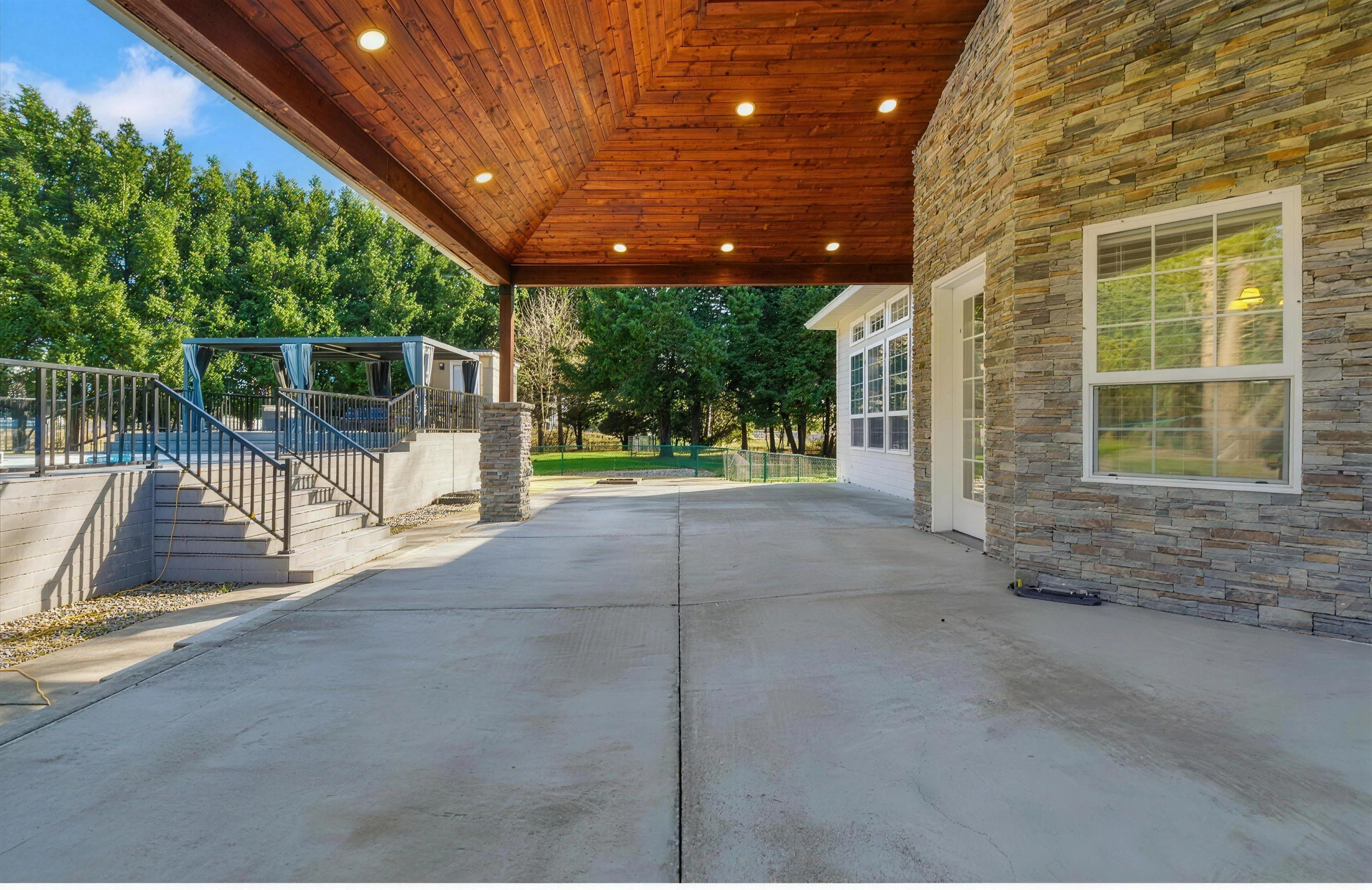
Expect cooler winters, a more pronounced rainy season and less sustained summer heat. Covered outdoor space and flexible indoor rooms become especially valuable.
Plan aroundPlan for seasonal light, heating and cooling preferences, and how often work or family will take you through PDX.
Moving from
Arizona & Nevada
Arizona, Nevada
The biggest adjustment is often the change from dry desert light to a green landscape shaped by winter rain and mild summer evenings.
Plan aroundVisit once in the cooler wet season and once in summer so the full climate cycle is part of the decision.
Moving from
Mountain West
Colorado, Idaho, Montana, Utah, Wyoming
Vancouver sits at lower elevation with a maritime influence. Winter at the estate is generally more about rain and dark evenings than persistent snow.
Plan aroundCompare elevation, winter driving, outdoor access and the kind of acreage routine you prefer.
Moving from
Southeast
Florida, Georgia, North Carolina, South Carolina, Tennessee
Summers are typically drier and less humid than much of the Southeast, while the cooler months bring more rain and earlier darkness.
Plan aroundConsider seasonal travel, garden expectations, pool use and the balance between indoor gathering spaces and covered outdoor living.
Moving from
Midwest
Illinois, Indiana, Iowa, Kansas, Michigan, Minnesota, Missouri, Nebraska, Ohio, Wisconsin
Low-elevation winters are generally milder than the upper Midwest, though rain, overcast stretches and limited winter daylight shape the season.
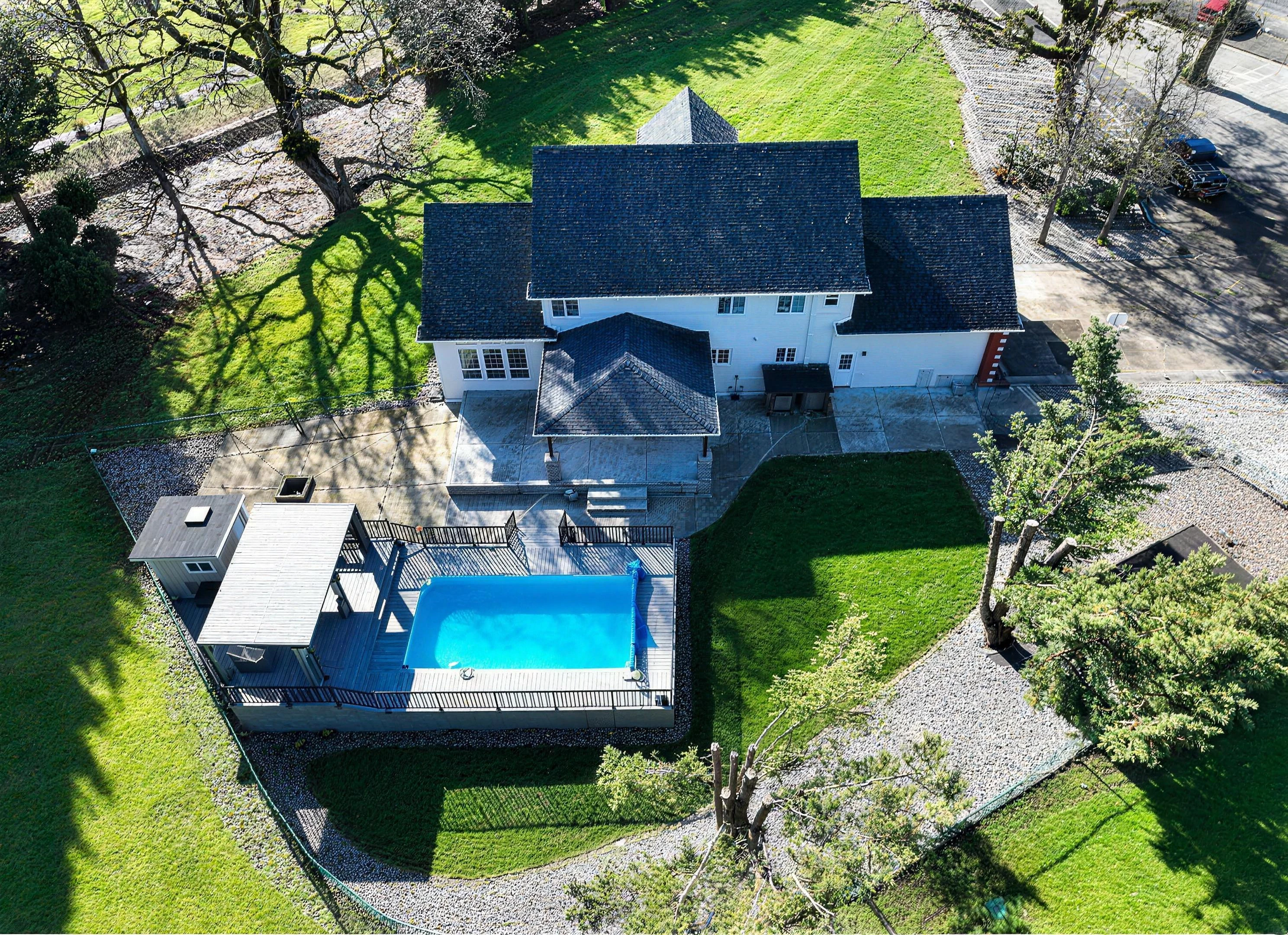
Plan aroundCompare snow expectations, school calendars, airport routes and the maintenance needs of a 2.5-acre property.
Moving from
Northeast & Mid-Atlantic
Connecticut, Delaware, Maine, Maryland, Massachusetts, New Hampshire, New Jersey, New York, Pennsylvania, Rhode Island, Vermont, Virginia, West Virginia
The estate pairs a lower-density residential setting with access to a two-city region. The seasonal pattern shifts toward wet winters and notably dry summers.
Plan aroundMap the destinations you use weekly, then test those routes from the property rather than relying on regional averages.
Moving from
South Central
Alabama, Arkansas, Kentucky, Louisiana, Mississippi, Oklahoma
The Pacific Northwest brings cooler nights, lower summer humidity and a stronger winter rain pattern than much of the South Central region.
Plan aroundSpend time outdoors at the property in more than one season and compare travel connections to the people and places you return to most.
Moving from
Alaska & Hawaii
Alaska, Hawaii
A mainland move changes both seasonal light and travel patterns. PDX becomes the primary air gateway, with the estate approximately 24 minutes away in the captured route estimate.
Plan aroundReview direct-flight options, winter daylight, household shipping and the timing of an in-person property inspection.
Moving from
Southwest & Plains
New Mexico, North Dakota, South Dakota
Expect a greener landscape, more winter rain and a milder low-elevation temperature range than many inland and northern markets.
Plan aroundCompare water, septic and land-care responsibilities alongside climate and travel needs.